


-

Add: HeBei ShengShi HongBang Cellulose Technology CO.,LTD.
-

Email
13180486930@163.com -

CONTACT US
+86 13180486930
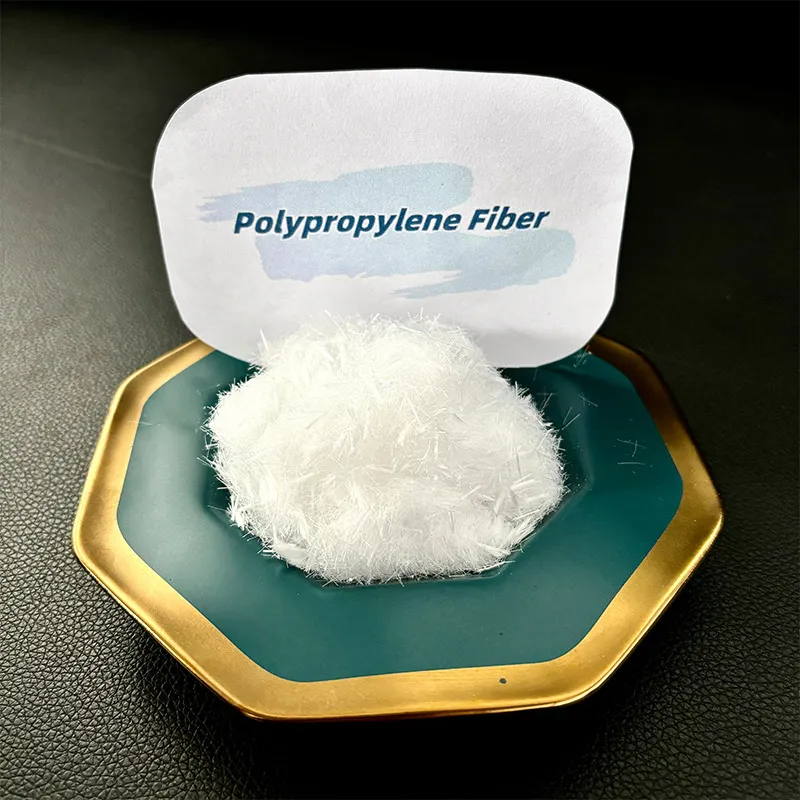
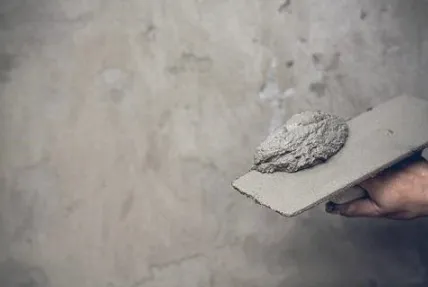
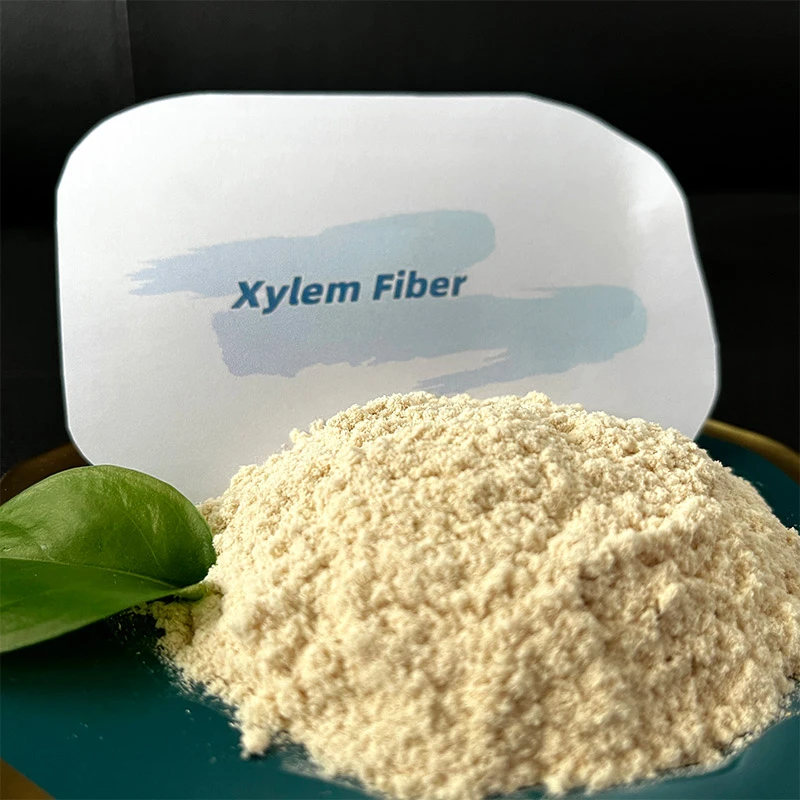


In the world of modern construction, synthetic fibers have revolutionized the way materials are used, enhancing the strength, flexibility, and durability of various building components. The different types of synthetic fibers available today are engineered for specific uses, making them indispensable in many construction projects. These fibers are often used to reinforce concrete, improve the resilience of building structures, and provide additional benefits like increased fire resistance and weather protection. From polypropylene fibers to long glass fibers , synthetic fibers offer a range of options tailored to different needs. Whether it’s increasing the strength of cement or providing insulation properties, the different types of synthetic fibers ensure that construction projects meet high standards of quality and longevity. In addition to their superior performance, synthetic fibers are often more cost-effective and readily available than traditional materials. This makes them a preferred choice for construction companies aiming to reduce costs while maintaining high-quality results. Furthermore, the environmental impact of synthetic fibers is increasingly being addressed with sustainable production methods, making them a more eco-friendly option for the construction industry. Long Glass Fiber Polypropylene: A Key Ingredient for Stronger Materials One of the standout synthetic fibers in the construction industry is long glass fiber polypropylene . This innovative fiber combines the strength of glass with the lightweight, corrosion-resistant properties of polypropylene. As a result, long glass fiber polypropylene is often used to reinforce concrete and other building materials, providing a significant boost in durability and performance. The inclusion of long glass fiber polypropylene in construction materials helps reduce cracking and improve the structural integrity of buildings and roads. The long fibers create a matrix that distributes stresses evenly across the material, preventing localized damage. This fiber is particularly useful in high-strength concrete applications where additional reinforcement is needed. Moreover, long glass fiber polypropylene is highly resistant to environmental factors like moisture, UV radiation, and temperature changes, making it ideal for both indoor and outdoor construction projects. It is commonly used in applications like paving, drainage systems, and even in the production of prefabricated building components. Its versatility and effectiveness in improving the lifespan and reliability of building materials make it a go-to solution for modern construction needs. Fibre Natural and Synthetic: A Comparison of Strength and Sustainability When choosing materials for construction, understanding the difference between fibre natural and synthetic options is crucial. While natural fibers such as jute, hemp, and cotton have been traditionally used in construction, synthetic fibers like polypropylene, polyester, and nylon have emerged as more durable and cost-effective alternatives. Fibre natural and synthetic materials each have their own advantages, making them suitable for different types of applications. Natural fibers are renewable, biodegradable, and often produced using more sustainable methods, making them a more eco-friendly option. However, they may not offer the same level of strength or resistance to environmental factors as synthetic fibers. On the other hand, synthetic fibers are engineered for durability, offering superior resistance to moisture, heat, and wear. They are often used to enhance the properties of natural materials, making them more suitable for demanding construction environments. For example, natural fibers like hemp may be used in insulation or as a reinforcement material in low-stress applications, while synthetic fibers like polypropylene or polyester are used for high-strength reinforcement in concrete, roofing, and other critical structures. By combining the best of both fibre natural and synthetic materials, construction companies can achieve optimal performance and sustainability. Non-Woven Polypropylene Fiber: A Revolutionary Material in Construction Non woven polypropylene fiber is another essential material that is increasingly being used in the construction industry. Unlike traditional woven fabrics, non woven polypropylene fiber is made from a process that bonds fibers together without weaving or knitting, resulting in a highly versatile material with excellent durability and moisture resistance. This fiber is widely used in applications like drainage systems, geotextiles, and road construction. Non woven polypropylene fiber provides a lightweight yet strong solution for reinforcing construction materials. It is often used in soil stabilization, as it helps prevent erosion and improves the strength of the ground underneath roads, bridges, and buildings. The material's ability to resist moisture also makes it ideal for protecting against corrosion and extending the lifespan of infrastructure. Additionally, non woven polypropylene fiber is environmentally friendly, as it is made from recyclable polypropylene, a material that can be repurposed for various other uses. Its cost-effectiveness, combined with its high-performance qualities, makes it a popular choice for contractors seeking durable and sustainable solutions for their construction projects. S ynthetic F ibers FAQs What are the different types of synthetic fibers used in construction? Synthetic fibers used in construction include polypropylene, polyester, nylon, and glass fibers. Each type is engineered for specific applications, such as reinforcing concrete, improving durability, and providing insulation. What is long glass fiber polypropylene, and why is it important in construction? Long glass fiber polypropylene is a fiber that combines the strength of glass with the lightweight, corrosion-resistant properties of polypropylene. It is essential in construction for reinforcing concrete, improving structural integrity, and preventing cracking. What are the benefits of using natural fibers in construction? Natural fibers , like hemp or jute, offer benefits such as renewability, biodegradability, and sustainability. They are commonly used for insulation and low-stress reinforcement, but may not be as durable or resistant to environmental factors as synthetic fibers. How does non-woven polypropylene fiber differ from woven fabrics? Unlike woven fabrics, non-woven polypropylene fiber is made through a bonding process that does not involve weaving or knitting. This results in a highly durable and moisture-resistant material, commonly used in geotextiles, drainage systems, and soil stabilization. Are synthetic fibers environmentally friendly? While synthetic fibers are often made from petroleum-based products, many are now produced using more sustainable methods. Additionally, materials like non woven polypropylene fiber are recyclable, making them a more environmentally friendly choice in construction. As construction needs evolve, synthetic fibers like long glass fiber polypropylene and non woven polypropylene fiber continue to play a crucial role in enhancing the strength, durability, and sustainability of building materials. If you're in the construction business, investing in these cutting-edge fibers will improve the performance of your projects and contribute to more eco-friendly practices. Visit our website today to explore our wide range of high-quality synthetic fibers and learn how they can transform your construction projects!
- 40000tons

Production
- 20+years

Experience
- 5000+㎡

Acreage

-
Hydroxypropyl starch phosphate is rapidly gaining traction as a prominent ingredient in the food , pharmaceutical, and personal care industries. This innovative starch derivative is a testament to modern scientific advancements, transforming traditional starch-rich ingredients into more versatile solutions. This modified starch is created by treating regular starch with propylene oxide and phosphoric acid, resulting in a compound that boasts superior stability and functionality. Its primary application lies in its thickening, texturizing, and stabilizing properties, which cater to an array of product formulations across various sectors. In the food industry, hydroxypropyl starch phosphate is celebrated for its ability to enhance the texture and shelf-life of consumables. Its unique structure allows it to withstand processing conditions that might typically degrade regular starch, such as extreme temperatures or varying pH levels. This makes it an excellent choice for canned soups, sauces, and frozen desserts that require consistent quality over time. By resisting retrogradation, it ensures that products maintain their desired texture without becoming gritty or separating, offering a more satisfying experience to consumers. The pharmaceutical sector also benefits significantly from the incorporation of hydroxypropyl starch phosphate. It acts as an excipient, playing an essential role in drug formulation. It helps in the stabilization of active ingredients, ensuring that medications are effective throughout their shelf life. Additionally, its solubility and binding properties facilitate the creation of tablets and capsules that dissolve at the desired rate, optimizing drug delivery. Meanwhile, in personal care products, this starch derivative functions as a thickener and stabilizer in creams, lotions, and hair care items. Its ability to maintain viscosity, even in the presence of electrolytes common in such products, enhances the sensory experience of users, providing smooth application and consistent efficacy. hydroxypropyl starch phosphate From a professional standpoint, the incorporation of hydroxypropyl starch phosphate into products not only aligns with quality assurance standards but also meets the growing consumer demand for sustainable and efficacious ingredients. As manufacturers strive to develop goods that combine performance with eco-friendliness, this starch emerges as an ideal choice. It is derived from natural resources and can be tailored to have specific attributes that reduce the need for synthetic additives, thus offering an environmentally friendly alternative. When considering the regulatory landscape, hydroxypropyl starch phosphate has been deemed safe by food safety authorities, including the FDA and EFSA. It is important to note, however, that manufacturers must adhere to specific usage limits and purity criteria to ensure compliance and to harness its full benefits responsibly. The rise of hydroxypropyl starch phosphate is a testament to how innovation in starch modification can drive significant improvements in product performance across diverse applications. Its versatility, coupled with the ability to customize its properties, makes it an invaluable asset to those aspiring to push the boundaries of product development. Yet, while this ingredient shows immense potential, it is crucial to continue exploring its properties and capabilities through rigorous research and development. This ensures that industries remain at the forefront of discovery, consistently offering superior products that enhance consumer satisfaction and loyalty. By focusing on using hydroxypropyl starch phosphate in innovative ways, companies can lead the charge in developing cutting-edge products that meet the demands of modern consumers. It stands as a powerful tool in the arsenal of formulators looking to craft the next generation of high-quality, sustainable goods.
-
Rubber powder is a valuable material derived from the recycling of used tires and rubber products. Its transformation into fine particles creates a versatile product with a wide range of applications. One of the most notable advantages of rubber powder is its sustainability. By recycling old rubber, it reduces the environmental impact of tire waste and repurposes it for practical use in various industries. The use of rubber powder spans multiple sectors, including construction, automotive, and sports industries. It is commonly used as an additive in asphalt for road construction, offering increased durability and performance. Additionally, rubber powder is used in playground surfacing, providing a soft, shock-absorbing surface that is safe for children. Its durability and cushioning properties make it an essential material for improving the safety and longevity of various surfaces. As environmental concerns continue to rise, the demand for rubber powder has increased, as it provides a solution to managing rubber waste while offering benefits to different industries. The application of rubber powder is not only eco-friendly but also cost-effective, making it a preferred choice for manufacturers looking for sustainable materials. China Factory Rubber Powder: A Leading Supplier for Global Markets When it comes to sourcing high-quality rubber powder , China remains one of the largest and most efficient producers. The China factory rubber powder industry has grown rapidly due to its advanced recycling technologies and production capabilities. These factories are equipped with state-of-the-art machinery and processes that allow them to produce rubber powder in various grades and specifications to meet the diverse needs of international markets. The China factory rubber powder offers competitive pricing, making it an attractive option for businesses around the world. The ability to produce large quantities at low costs helps drive down the price of rubber powder , which benefits industries that rely on this material for production. China’s factories also have a well-established supply chain, ensuring that rubber powder can be delivered to customers in a timely manner. Moreover, Chinese manufacturers often provide customization options for rubber powder , allowing customers to specify the size, texture, and composition of the powder to suit their unique requirements. This flexibility makes China a go-to destination for businesses looking to source high-quality rubber powder at a competitive price. Rubber Powder Grinding Machine: Key to Efficient Production The production of rubber powder relies heavily on the use of a rubber powder grinding machine , which helps break down larger pieces of rubber into fine particles. These machines play a critical role in ensuring that the rubber is processed to the required consistency for various applications. Whether the powder is to be used in construction materials, coatings, or automotive products, the rubber powder grinding machine ensures that the end product meets quality standards. The rubber powder grinding machine uses advanced grinding techniques to process scrap rubber efficiently. These machines are designed to handle large volumes of material while producing consistent, fine rubber powder. Some models even incorporate air-flow or cryogenic grinding methods, which help preserve the integrity of the rubber and improve the quality of the final product. In addition to the grinding capabilities, the rubber powder grinding machine is built for durability and longevity, reducing the need for frequent maintenance. This is especially important for large-scale operations where continuous production is required. The machine also offers a high level of control over particle size and texture, making it ideal for producing rubber powder that meets specific industry needs. Recycled Rubber Powder Price: Affordable and Sustainable The recycled rubber powder price is one of the most attractive aspects of this material, especially when compared to the cost of virgin rubber or other raw materials. The price of recycled rubber powder is influenced by factors such as the quality of the rubber, the type of processing used, and the scale of production. However, despite these variables, recycled rubber powder price remains relatively affordable, particularly when purchased in bulk. The affordability of recycled rubber powder makes it an ideal choice for industries looking to reduce costs while maintaining high-quality standards. For example, in the construction sector, recycled rubber powder can be mixed with other materials to produce durable and cost-effective asphalt for roads. In sports applications, it is used for synthetic turf, track surfaces, and safety mats, providing excellent performance at a lower cost than alternative materials. Additionally, as the demand for sustainable products grows, the recycled rubber powder price has become even more competitive, with producers offering bulk discounts and incentives for large orders. Businesses looking to incorporate more eco-friendly materials into their products can benefit from the cost-effective nature of recycled rubber powder , while also contributing to the reduction of rubber waste. Uses of Crumb Rubber Powder: An Essential Material for Multiple Applications The uses of crumb rubber powder are incredibly diverse, making it a valuable commodity for several industries. One of the most popular uses of crumb rubber powder is in the creation of rubberized asphalt for road construction. This type of asphalt is more durable and resistant to wear, making it ideal for high-traffic areas. The inclusion of crumb rubber powder in asphalt also improves its ability to withstand extreme temperatures, reducing the need for frequent maintenance and repairs. Another common application of crumb rubber powder is in playground and sports surface construction. The powder is used to create shock-absorbing surfaces that reduce the risk of injuries during play or athletic activities. In addition, crumb rubber powder is used in the production of synthetic turf, creating a more durable and long-lasting product that mimics the look and feel of natural grass. In the automotive industry, crumb rubber powder is used as a component in tires, where it helps to enhance durability and performance. Additionally, it can be found in various rubber-based products, such as mats, seals, and gaskets, where it adds strength and resilience. As the demand for eco-friendly materials continues to grow, the uses of crumb rubber powder will only expand, offering a sustainable solution to industries that rely on rubber products. China F actory R ubber P owder FAQs What is rubber powder? Rubber powder is a fine material made from recycled rubber, often derived from used tires. It is processed into small particles and used in various applications, including construction, automotive, and sports industries. Where can I buy China factory rubber powder? You can buy high-quality China factory rubber powder from a wide range of suppliers online. Many suppliers offer customization options, allowing you to choose the specific size and composition of the powder you need for your project. What is a rubber powder grinding machine? A rubber powder grinding machine is a piece of equipment designed to break down larger pieces of rubber into fine particles. It plays a crucial role in ensuring that the rubber is processed to the desired consistency for various applications. How much does recycled rubber powder cost? The recycled rubber powder price varies depending on factors such as quality, processing methods, and order volume. However, it is generally considered an affordable material, especially when purchased in bulk. What are the uses of crumb rubber powder? The uses of crumb rubber powder are diverse, including applications in asphalt for road construction, playground and sports surfaces, automotive products, and synthetic turf. It provides durability, shock absorption, and enhanced performance in these industries. For more information or to order rubber powder for your projects, visit our website today and explore the wide range of products we offer.
advantages
-

200000 Viscosities
Excellent product
We can produce pure products up to 200,000 viscosities
-

40000 tons
High yield
We don’t stop production all year round, and the annual output can reach 40,000 tons
-

24 hours
Quality service
We provide 24-hours online reception service, welcome to consult at any time
———— Inquiry Form
Schedule A services

-
 hydroxypropyl_methylcellulose_is_it_safe
Oct . 25, 2025
Hydroxypropyl Methylcellulose (HPMC) has emerged as a crucial ingredient in various industries, with -
 hpmc_k100m
Oct . 25, 2025
Hydroxypropyl distarch phosphate (HDP) is an essential modified starch used across a variety of indu -
 bei_ya_methylcellulose
Oct . 25, 2025
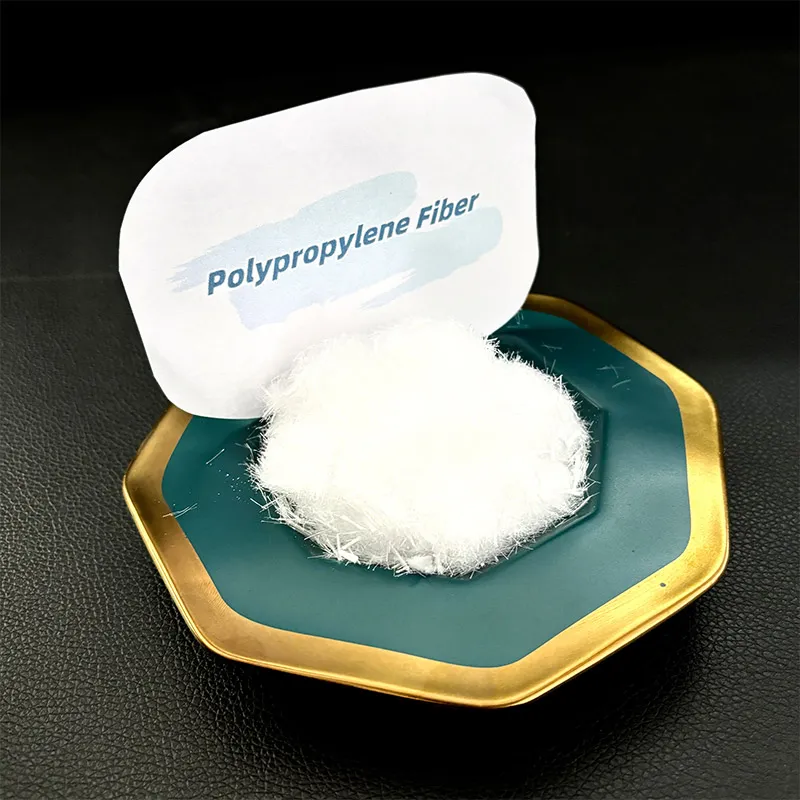
Polypropylene fiber is a versatile, durable material that is used in a variety of applications acros


